Artist Interview: Keri-Mei Zagrobelna.
Q. How did you first come to jewellery and creative practice? Was making always something you felt drawn toward, or did it emerge more gradually over time?
I’ve been drawn to creativity and art for as long as I can remember. It was something that surrounded me growing up — being immersed in environments filled with artefacts, objects, and art made it feel like a natural path to follow.
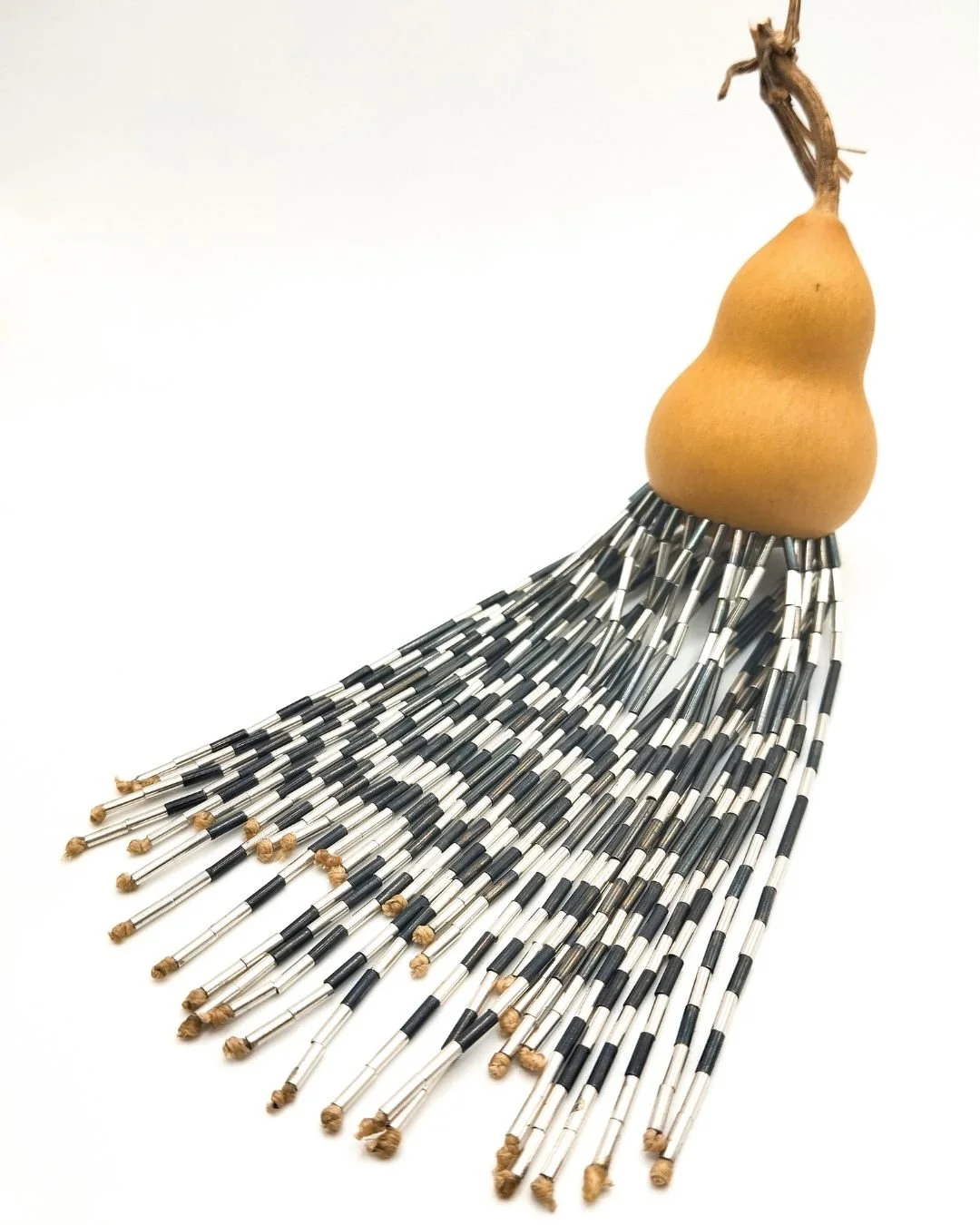
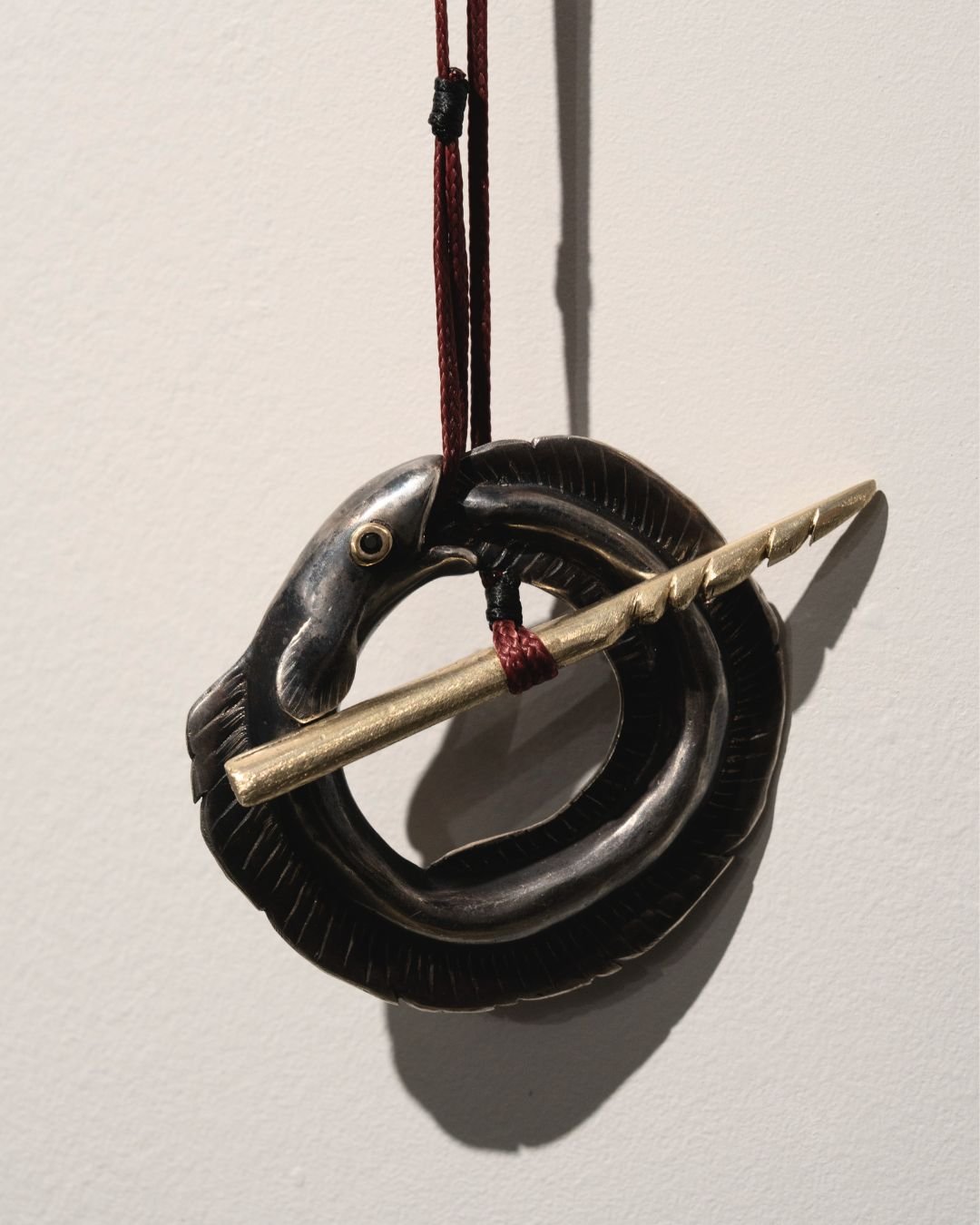
Over time, making became more than just an interest; it became a form of rongoā. It allows me to express myself while also processing ideas, emotions, and both present and past experiences. Jewellery is my primary medium — I often think of it as a kind of silent ambassador. It’s always been there for me, teaching me, holding meaning, and creating a way to connect with others without needing words.
Through jewellery, I’ve found a language that not only supports my own wellbeing but can also extend outward — offering connection, reflection, and at times, healing for others.
While I identify as a contemporary Māori jeweller, my practice continues to expand. I work across drawing and sketching, and I’m increasingly moving into installation and larger-scale works. I’m really interested in how my practice can keep evolving — both in form and in the way it holds and communicates meaning.
Q. Can you talk us through the title of the exhibition, what sparked this body of work, and how ideas of rongoā, Maramataka, and the rhythms of whenua have shaped both the work and your understanding of wellbeing?
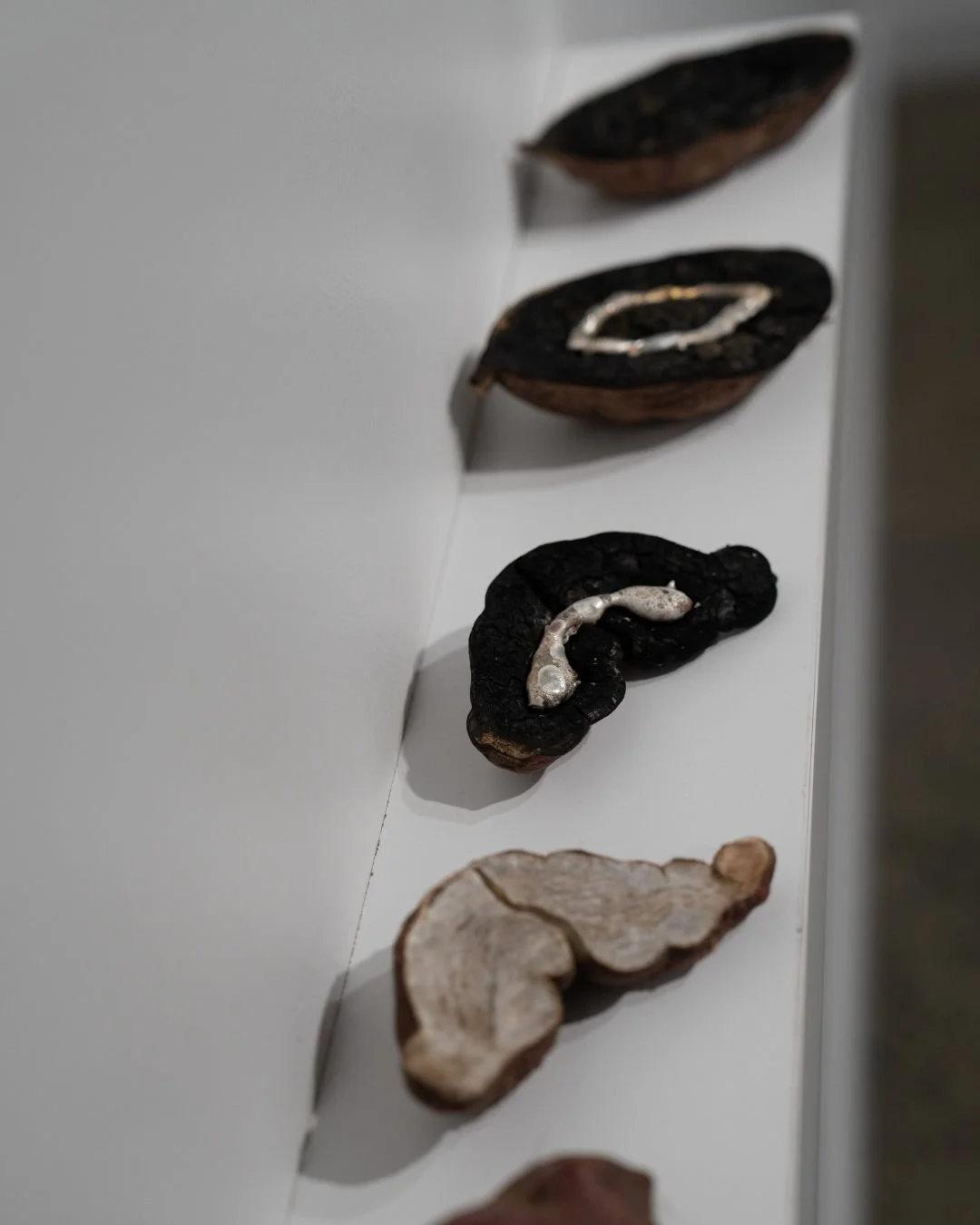
He Ngaki Māra translates to “to turn the soil,” and the title emerged through a conversation with a close friend as I was trying to articulate the kaupapa of the exhibition. It felt like a fitting metaphor for what this body of work is doing - a process of digging, tending, and preparing ground for growth.
Set during Ngahuru, the season of harvest, the exhibition reflects a time of gathering and reflection, but also one of transition. It holds space not only for what has come to fruition, but also for what needs to be cleared, composted, or reworked. This cyclical understanding is central to the work.
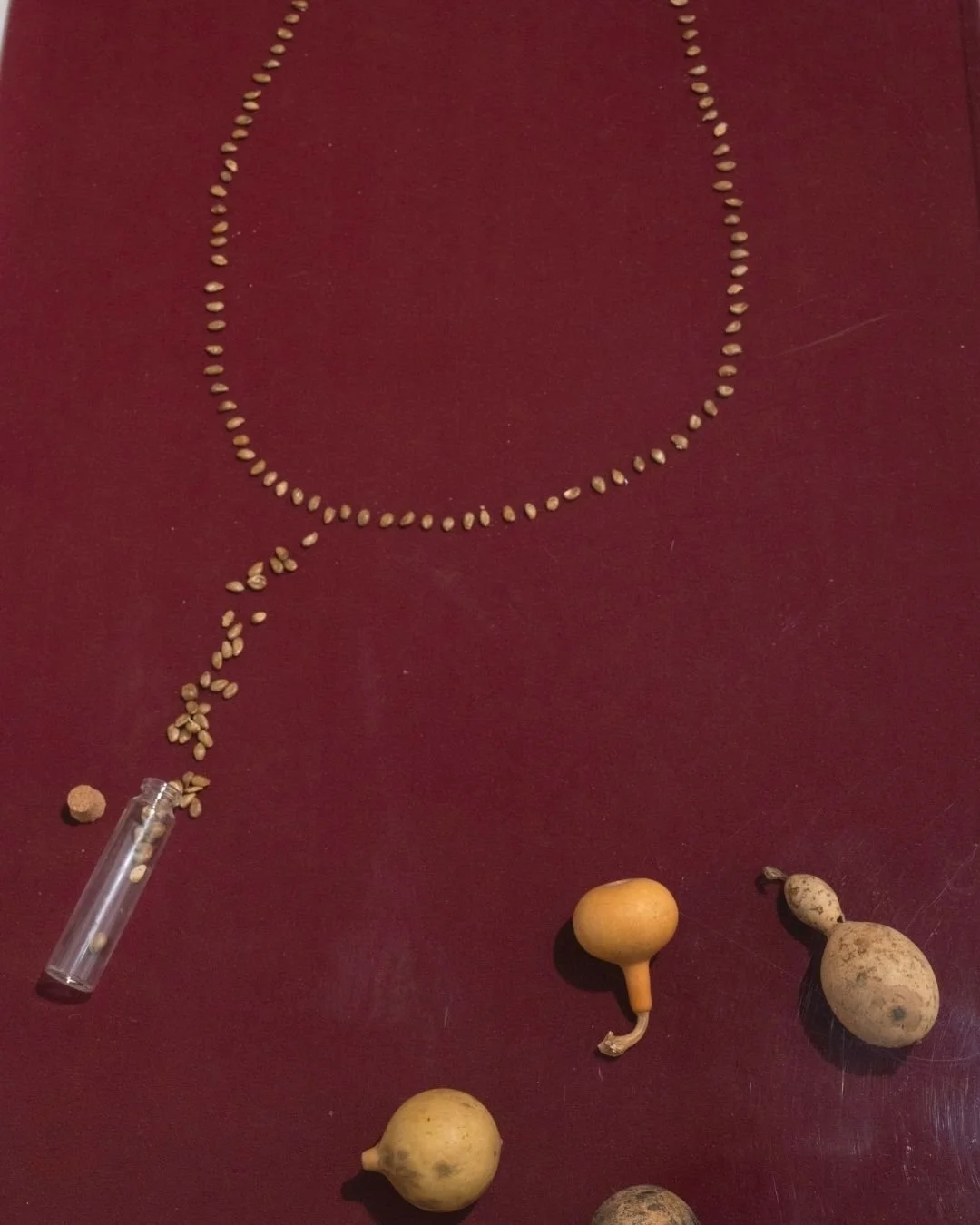
At the heart of the exhibition is the idea of mahi toi as a form of rongoā. I often think about the tinana (body) and hinengaro (mind) as a kind of māra. Within that, there are constant questions: what are we planting, what are we nurturing, what are we harvesting, and what needs to be let go? The act of making becomes a way of working through these states — a tool for processing, reflection, and care.
The Maramataka and the rhythms of whenua have been key in shaping both my making process and my thinking. They offer a framework for understanding balance — recognising when to act, when to pause, and when to restore. This has shifted the way I approach not only my practice, but also my everyday wellbeing.
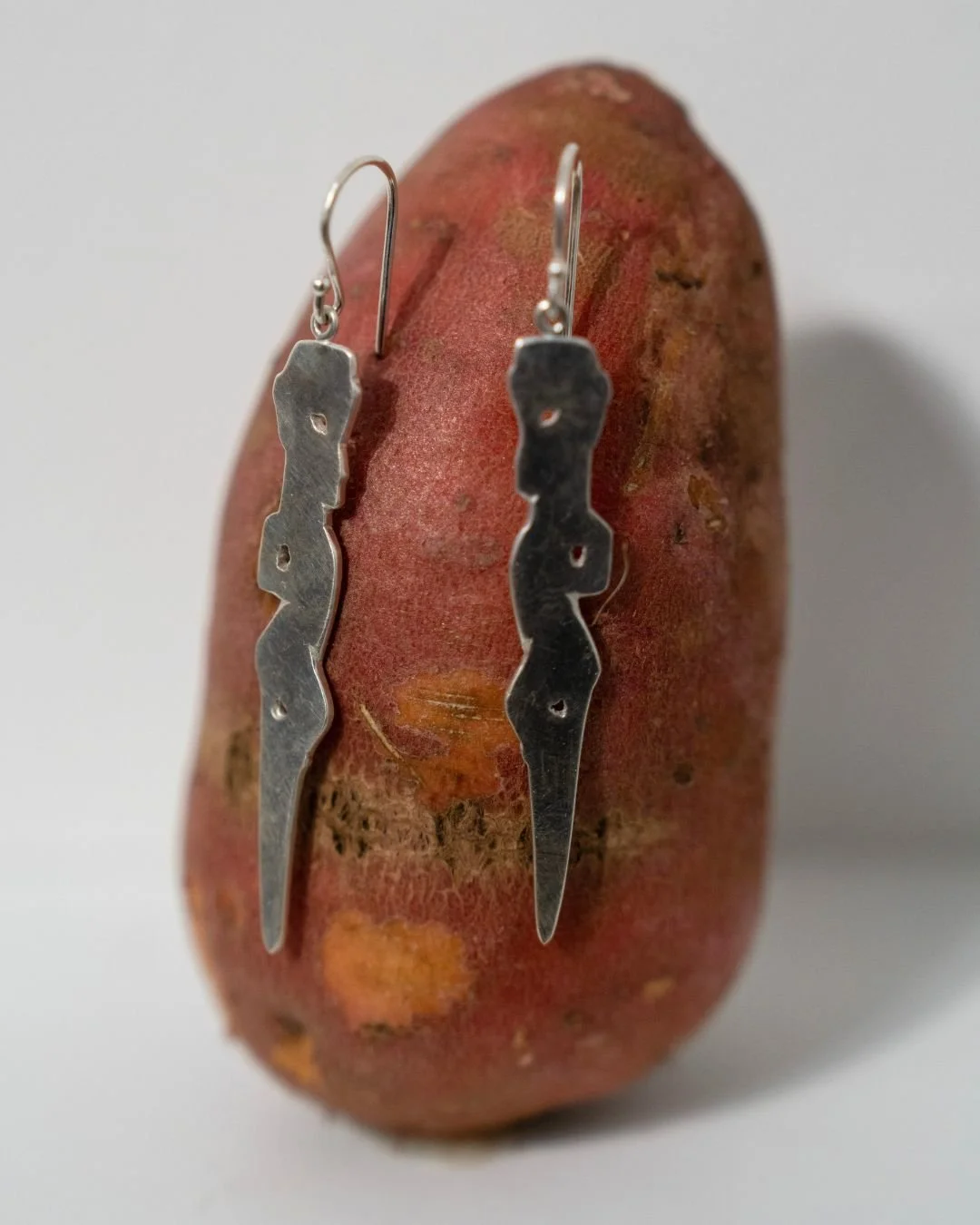
For me, the relationship between creativity, healing, and care is deeply intertwined. Mahi toi becomes a space where those things can exist simultaneously — where making is not just about producing objects, but about tending to self, to memory, and to connection. It’s an ongoing process of learning how to be in a better relationship with ourselves and the world around us.
Q. Growing up immersed in museum environments and taonga, how did those early experiences shape your relationship to making and storytelling? And what drew you toward engaging with Rongomātāne within this body of work?
Growing up within museum environments, surrounded by taonga, instilled in me an early understanding of objects as carriers of memory, whakapapa, and narrative. Those spaces became sites of connection - not only to my tūpuna, but also to ways of seeing and expressing that continue to inform my practice. Within te ao Māori, we are inherently a visual and embodied culture; our stories are held and transmitted through forms such as kapa haka, whakairo, and raranga. In this sense, making has always felt like a natural extension of storytelling — a way of giving form to lived experience and inherited knowledge.
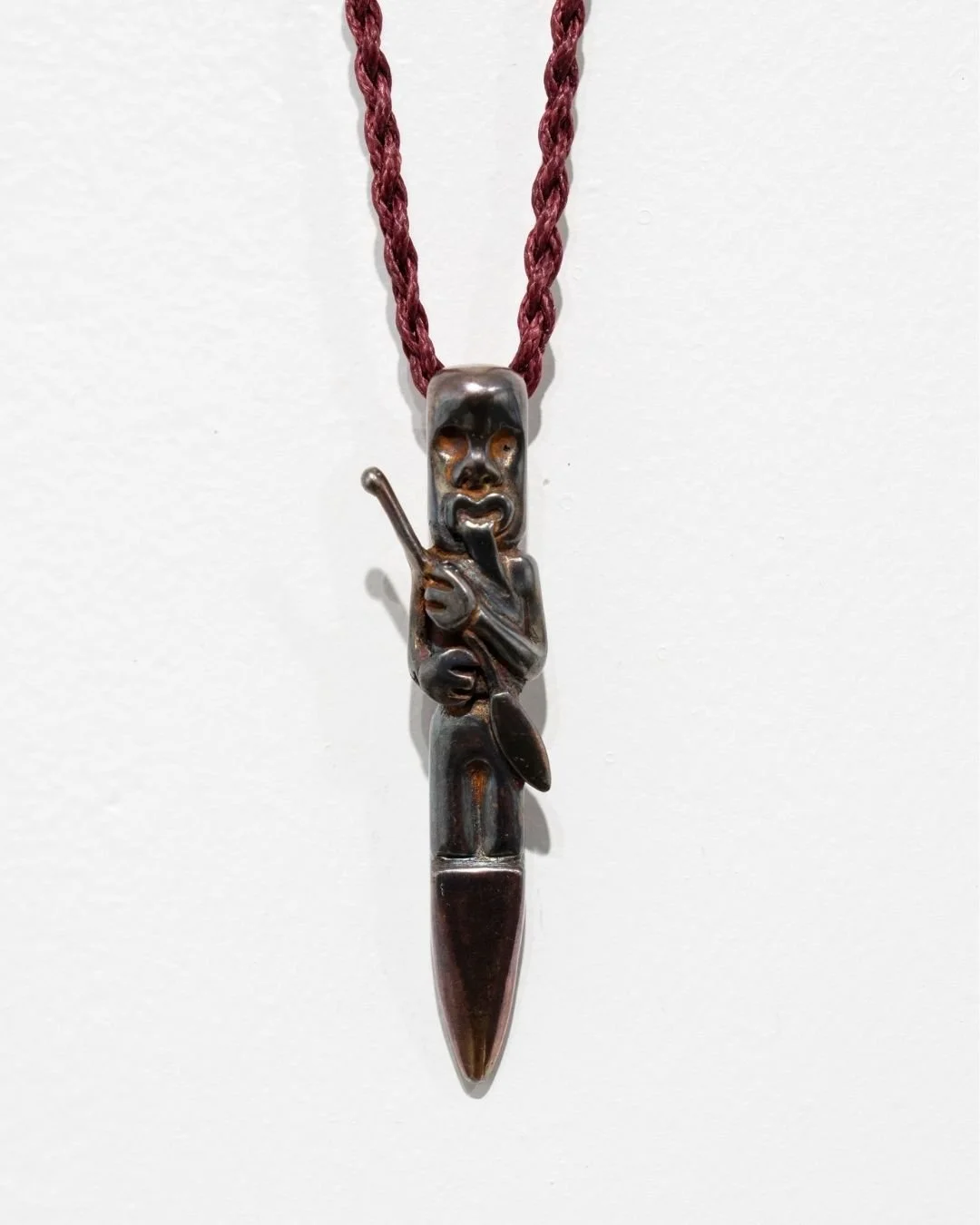
This relationship deepened during a visit to the Nelson Provincial Museum’s Richmond research facility, where I spent time with taonga from the collection. That encounter became a pivotal moment within my practice. Among the works was a taumata atua that I felt a strong connection to — a form believed to represent Rongomātāne, and thought to have travelled from Taranaki through the migrations of Te Āti Awa into the Whakatū region.
Through this meeting, my engagement with Rongomātāne began to unfold more intentionally. I became drawn not only to the atua himself, but to the mātauranga and kōrero he holds — as atua of cultivated foods, of peace, and of considered, grounded action. There is a quiet strength within his domain, one that speaks to patience, nourishment, and the sustaining of life.
Positioning Rongomātāne as a central pou within He Ngaki Māra feels both intuitive and timely. In a world that can often feel uncertain or unstable, there is a need to return to these frameworks of understanding — to look toward our atua and tūpuna for guidance. His presence offers a reminder to tend carefully, to move with intention, and to remain grounded in cycles of cultivation and care.
In this way, the work becomes not only an exploration of material and form, but a process of listening — to taonga, to whakapapa, and to the knowledge systems that continue to guide us forward.
Q. He Ngaki Māra extends beyond the gallery walls through workshops, shared kai, and acts of manaaki. How have you approached bringing whakaaro around rongoā into the gallery space, and transforming it into a site of care, connection, and lived experience?
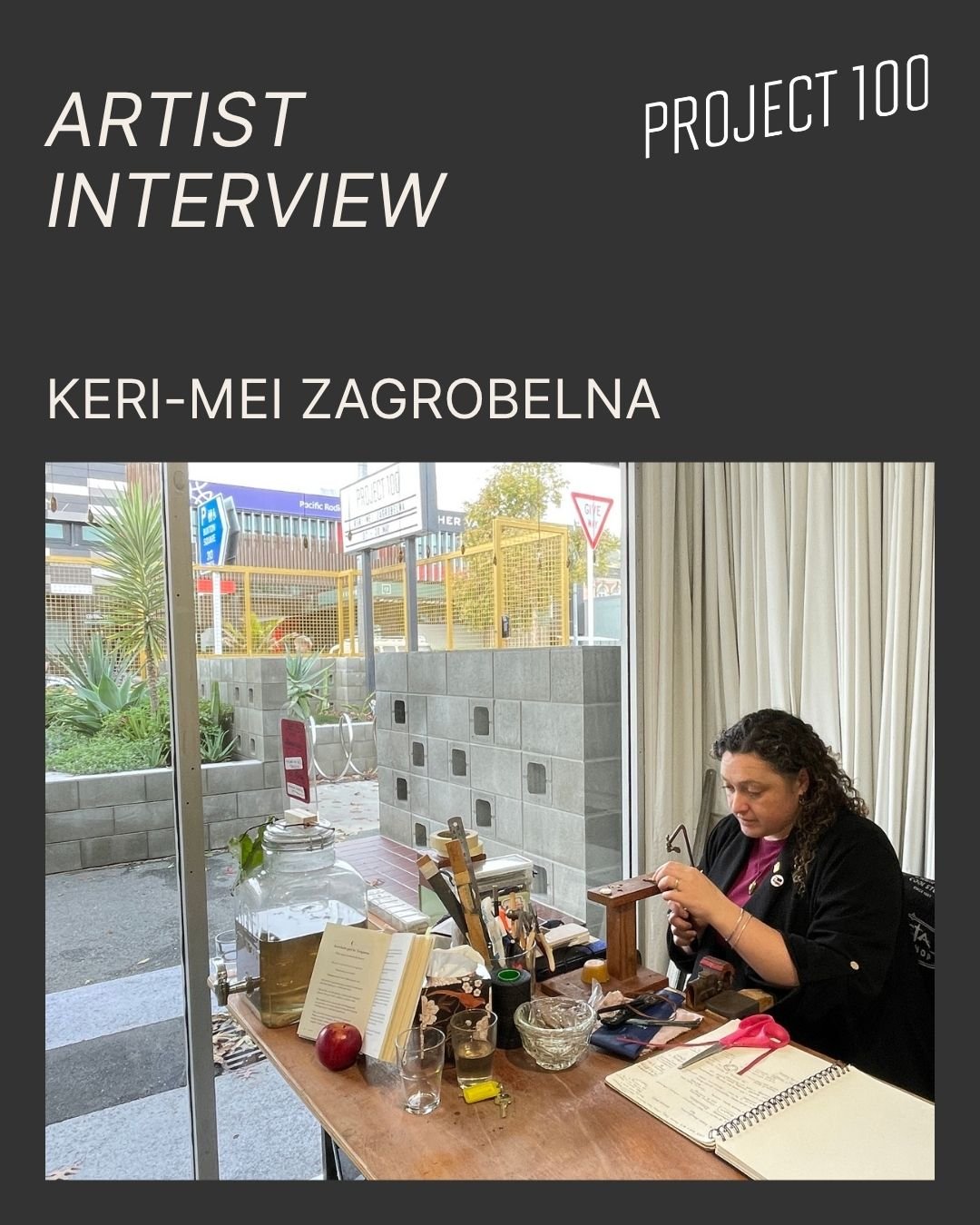
As this is my first artist residency, I felt a strong sense of responsibility to honour the relationships I hold within this community. That sense of accountability has guided the way I’ve approached the space — not just as a site for exhibition, but as a place to actively practise manaaki.
From a young age, I was taught the importance of how you show up for others — that care, generosity, and hospitality are integral to upholding the mana of your whānau. Those values sit at the core of how I work. Bringing that into the gallery has meant creating multiple entry points for connection — through workshops, shared kai, kōrero, and small gestures of care such as offering healing beverages.
In this way, the gallery begins to shift from a potentially static or formal space into something more relational and alive. It becomes a place where people can gather, exchange, and participate, rather than simply observe.
This approach is deeply connected to my understanding of mahi toi as rongoā. The work is not only held in the objects themselves, but in the interactions that surround them — in the conversations, the making, and the time spent together. These moments of engagement become part of the practice, fostering a sense of whanaungatanga and collective experience.
For me, it’s about reaching people on different levels — creating space for both individual reflection and shared connection. In doing so, the gallery becomes an extension of the kaupapa: a living environment grounded in care, reciprocity, and the ongoing weaving of relationships.